






Working from home has become a common part of life for many people. A well-designed home office can make a huge difference in how comfortable and productive you feel throughout the day. Whether you have a dedicated room or just a small corner, creating a space tailored to your needs helps you focus and maintain a healthy work-life balance.
In this post, we’ll explore useful tips to set up a home office that promotes both comfort and efficiency.
Choose the Right Location
Finding the best spot for your home office is the first step. Consider these factors:
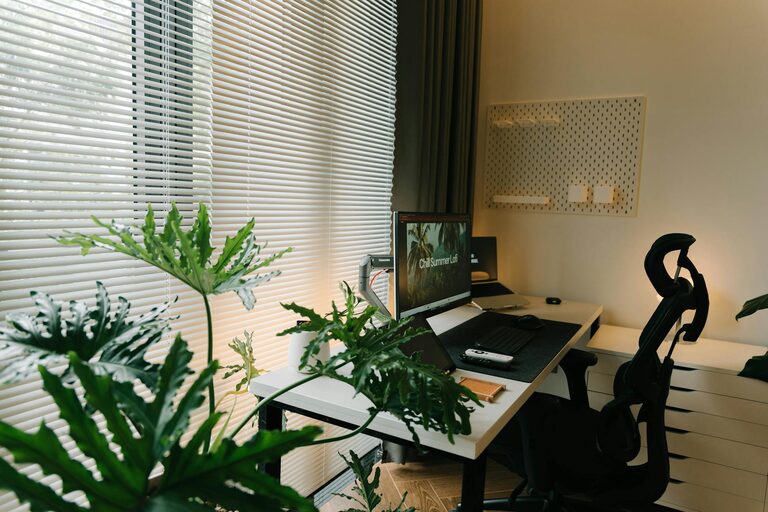
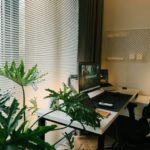
– Natural Light: If possible, position your desk near a window. Natural light can improve mood and reduce eye strain.
– Quiet Area: Select a space away from household noise, especially if you have children or frequent interruptions.
– Sufficient Space: Ensure there’s enough room for your desk, chair, and any equipment or materials you need.
If space is limited, a small nook or unused corner can work well with clever organisation.
Invest in Ergonomic Furniture
Comfort is key when spending long hours at a desk. Prioritise furniture that supports your posture:
– Adjustable Chair: Choose a chair with lumbar support and adjustable height to keep your back healthy.
– Desk Height: Your desk should allow your forearms to rest roughly parallel to the floor when typing.
– Foot Support: Consider a footrest if your feet don’t comfortably reach the floor.
Ergonomic furniture reduces fatigue and helps prevent aches and pains.
Organise Your Workspace
A tidy environment supports clear thinking. Keep your workspace organised with these ideas:
– Declutter Regularly: Remove unnecessary items to maintain focus.
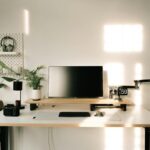
– Use Storage Solutions: Shelves, filing cabinets, or desk organisers keep supplies handy but out of the way.
– Cable Management: Use clips or cable organisers to prevent cords from tangling.
An organised desk helps you find things quickly and minimises distractions.
Optimise Lighting
Proper lighting reduces eye strain and creates a welcoming atmosphere.
– Combine Natural and Artificial Light: Rely on daylight during the day and use adjustable lamps for additional illumination.
– Avoid Glare: Position your screen and lights to prevent reflections.
– Consider Warm Light: Soft, warm LEDs can create a relaxing environment without being too harsh.
Adjustable desk lamps with dimming options offer flexibility.
Personalise Your Space
Adding personal touches makes your office more inviting:
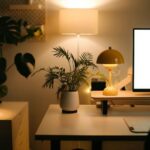
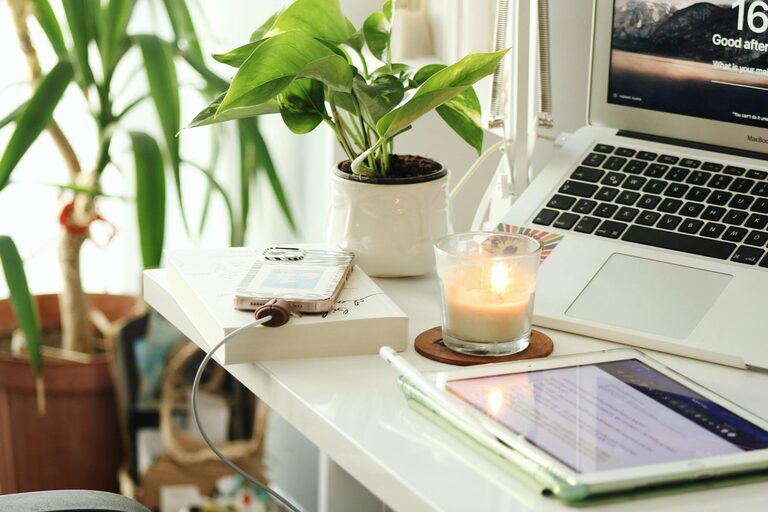
– Plants: Small indoor plants can improve air quality and add a touch of nature.
– Artwork or Photos: Display meaningful images to inspire you.
– Colour Scheme: Choose calm or stimulating colours depending on your preferences.
Personalisation helps you feel comfortable and motivated in your space.
Maintain a Healthy Routine
Your office design can support good habits:
– Take Breaks: Set reminders to stand, stretch, or move around regularly.
– Stay Hydrated: Keep a water bottle at your desk.
– Create a Start and End Ritual: Use signals like switching on a lamp or tidying your desk to mark the beginning and end of your workday.
These habits protect your wellbeing and enhance productivity.
Use Technology Wisely
Equip your home office with reliable technology:
– High-Speed Internet: Essential for video calls and online work.
– Quality Headset and Microphone: Improves communication during meetings.
– Surge Protectors: Safeguard your devices against electrical issues.
Keep software and hardware updated to prevent avoidable disruptions.
Manage Noise Levels
Minimising distractions helps maintain concentration:
– Noise-Cancelling Headphones: Useful if complete quiet is hard to achieve.
– White Noise Machines or Apps: Can mask background sounds.
– Soft Furnishings: Rugs, curtains, and cushions absorb sound naturally.
Consider these options to create a peaceful atmosphere.
Final Thoughts
Creating a comfortable and productive home office is about blending functionality with personal comfort. By paying attention to location, furniture, organisation, lighting, and your habits, you can craft a workspace that supports your best work.
Remember, small changes can have a big impact. Start with one or two improvements and build from there to make your home office a place you enjoy spending time in.