







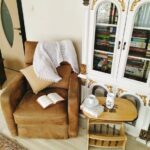


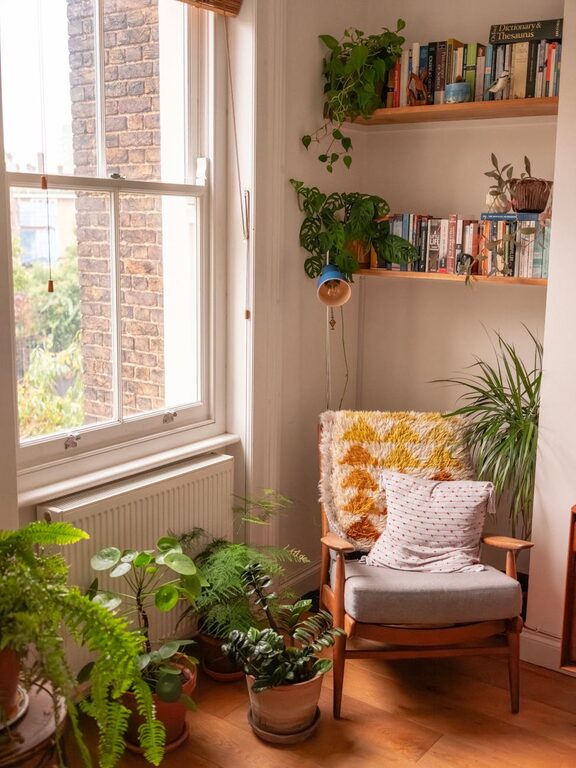
Creating a cosy reading nook in your home is a wonderful way to carve out a peaceful retreat amidst the busy day-to-day. Whether you have a large spare room or a small corner, a well-designed nook can transform reading from a routine activity into a cherished experience. This guide offers practical tips on how to build your own reading haven, focusing on comfort, lighting, and personal style.
Choose the Perfect Location
Find a Quiet Corner
Start by identifying a quiet, low-traffic area in your home. Consider spaces near a window where natural light pours in, or a snug corner in the living room or bedroom. The key is to select a spot where you feel calm and undisturbed.
Utilise Unused Spaces
Don’t overlook spots like an alcove, under the stairs, or an empty wall. Even a small area can become a delightful reading nook with the right furniture and accessories.
Invest in Comfortable Seating
Select a Chair or Seat That Invites You to Stay
Comfort is paramount. Choose a seat that supports your posture and invites you to linger. Popular options include:
– A plush armchair with a high back
– A cushioned window bench with throw pillows
– A small loveseat or even a recliner for ultimate comfort
Add Cushions and Throws
Layering cushions and soft throws makes the seating more inviting. Opt for fabrics like velvet, wool, or cosy cotton to add warmth and texture.
Improve Lighting for Reading
Maximise Natural Light
Place your reading nook near a window to benefit from natural daylight. It not only helps reduce eye strain but also lifts your mood.
Supplement with Quality Artificial Lighting
As natural light wanes, good lighting becomes vital. Consider:
– A floor lamp with adjustable brightness
– A table lamp with a warm light bulb
– Wall-mounted reading lights if space is limited
Aim for soft, warm light rather than harsh, bright bulbs, creating an inviting ambience.
Personalise Your Space
Incorporate Your Favourite Colours and Decor
Choose a colour palette that soothes you, such as soft neutrals, pastels, or warm earthy tones. Add personal touches like:
– A small stack of your favourite books
– Artwork or prints that inspire you
– Plants to bring freshness and life to the nook
Use Shelving Wisely
If space allows, install shelves to keep books and magazines organised and within easy reach. Floating shelves or narrow bookcases work well in compact spaces.
Add Practical Accessories
Include a Side Table or Storage Ottoman
Having a place to rest your cup of tea, glasses, or reading materials is very convenient. Consider a small side table or a storage ottoman that doubles as seating and hidden storage.
Use a Rug to Define the Space
A soft rug underfoot can make your nook feel more anchored and cosy. Choose one with a texture and pattern that complements your décor.
Maintain Comfort Year-Round
Season-Appropriate Items
Change cushions and throws with the seasons — light linens for summer and cosy woollen blankets for winter keep your nook comfortable all year.
Consider Temperature Control
If your nook is near a window, think about installing curtains or blinds to control sunlight and heat, helping maintain a pleasant temperature.
Keep It Clutter-Free
A cluttered space can detract from relaxation. Keep your nook tidy by:
– Storing extra items out of sight
– Limiting decorative objects to those you truly love
– Regularly organising your reading materials
Final Thoughts
Designing a cosy reading nook doesn’t require a big budget or a dedicated room. With thoughtful choices about location, seating, lighting, and personal touches, you can create a tranquil spot that invites you to unwind with a good book. The most important thing is that it reflects your style and needs, making every reading session a joy.
Happy reading!