







Creating a home workspace that supports your productivity and suits your lifestyle can make a big difference to how you work and feel throughout the day. Whether you’re working remotely full-time, freelancing, or managing home projects, your environment plays a crucial role in maintaining focus and motivation. This guide will help you set up a space that feels comfortable, practical, and inspiring.
Assess Your Needs and Living Space
Before purchasing furniture or rearranging your room, it’s important to understand your specific needs.
Consider Your Work Style
Think about the type of work you do. Do you spend most of your time on the computer, or do you need space for drawing, reading, or meetings? Your workspace should cater to your tasks to avoid constant adjustments later.
Evaluate Your Space
Identify where you can set up your workspace. This could be a spare room, a corner of the living room, or even part of your bedroom. Choose an area that minimises distractions and allows enough room for your equipment.
Choose the Right Desk and Chair
Ergonomics matter when creating a workspace where you’ll spend hours each day.
Desk Selection
Find a desk that fits your available space and provides enough room for tools like a computer, notebooks, or printers. Adjustable desks, including standing desks, can offer flexibility to change your working position during the day.
Chair Matters
Invest in a comfortable, adjustable chair that supports your back well. Comfort helps reduce fatigue and maintain good posture, improving focus over time.
Lighting Makes a Difference
Good lighting can reduce eye strain and keep your energy up.
Natural Light is Best
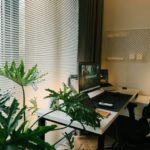
Position your workspace near a window if possible. Natural light lifts mood and helps regulate circadian rhythms.
Add Task Lighting
Use desk lamps or adjustable lights to ensure your work area is well-lit during darker hours or overcast days. Avoid harsh glare by positioning lights correctly.
Organise for Efficiency
A clutter-free desk encourages a clear mind and better workflow.
Storage Solutions
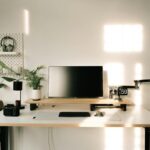
Use shelves, drawers, and desk organisers to keep supplies tidy but accessible. Consider vertical storage to save desk space.
Digital Organisation
Keep your digital files organised with clear folders and backups to minimise time spent searching for documents.
Personalise Thoughtfully
Your space should feel inviting but not distracting.
Add Personal Touches
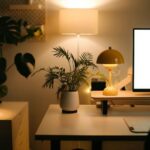
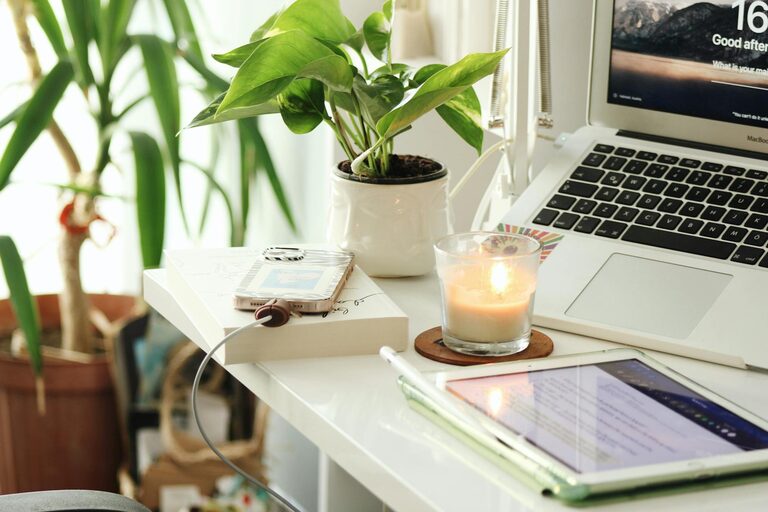
Incorporate items like photos, plants, or artwork to create a pleasant atmosphere. Plants, in particular, can improve air quality and add a calming presence.
Minimise Distractions
Limit the number of decorative or unrelated items so you don’t lose focus. Keep entertainment devices like smartphones out of easy reach during work hours.
Set Boundaries and Routine
Creating clear boundaries between work and personal time helps with productivity and wellbeing.
Define Working Hours
Try to work consistent hours to create a routine that your mind and body can adapt to.
Communicate Boundaries
If you live with others, explain when you shouldn’t be disturbed to maintain focus during work time.
Consider Technology and Connectivity
Reliable tech and internet are essential in a home office setup.
Upgrade Your Equipment
Make sure your computer, printer, headset, and other devices meet your work demands. Lagging or outdated equipment can cause frustration and delays.
Secure Internet Connection
A strong and stable internet connection helps you avoid interruptions during calls, research, or uploads.
Take Regular Breaks and Move
Even the best workspace can’t replace the benefits of movement.
Set reminders to stand, stretch, or walk briefly every hour. This helps reduce fatigue and improves circulation and concentration.
Review and Adjust as Needed
Your workspace should evolve with your needs.
Periodically reassess your setup to identify improvements or changes that will enhance comfort and productivity.
—
By following these tips, you can create a home workspace that not only supports your professional tasks but also complements your lifestyle and promotes long-term wellbeing. Remember, the best workspace is one that feels uniquely yours and helps you perform at your best every day.